Understanding Virginia's Climate Zones
Virginia spans USDA Hardiness Zones 5a through 8b, with most of the state falling in Zones 6b-7b. This means we experience distinct seasons with hot, humid summers and cool winters. Our transition zones experience temperature fluctuations that require strategic lawn care planning.
Spring Preparation (March-May)
Spring is the most critical time for lawn care in Virginia. As temperatures warm, your lawn awakens from winter dormancy and requires immediate attention:
- Early March: Clean up winter debris, remove thatch if it's more than 1/2 inch thick, and schedule a soil test
- Late March: Begin regular mowing as grass starts growing actively (set mower to 3-4 inches)
- April: Apply pre-emergent herbicides for crabgrass control and begin fertilization program
- May: Overseed bare patches, begin regular watering schedule, and start pest monitoring
Summer Maintenance (June-August)
Virginia summers can be challenging for cool-season grasses (fescue, bluegrass) which go dormant in heat, while warm-season grasses (zoysia, bermuda) thrive:
- June: Increase mowing frequency to maintain proper height, adjust watering for heat stress
- July: Monitor for pests and diseases, spot-treat weeds, ensure adequate watering during dry periods
- August: Continue consistent maintenance, plan for fall overseeding if needed
Fall Recovery (September-November)
Fall is the second most important season for lawn care in Virginia, especially for cool-season grasses:
- September: Core aeration, overseeding thin areas, fall fertilization
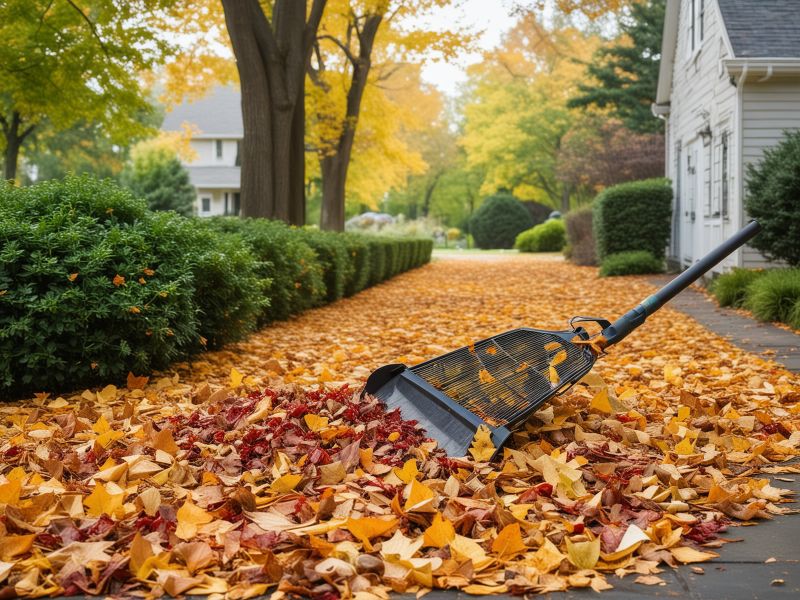
- October: Continue mowing as needed, collect leaves regularly, begin reducing watering frequency
- November: Final mowing of the season, winterize irrigation systems, apply winterizer fertilizer
Winter Dormancy Care (December-February)
While your lawn is dormant, there are still important tasks to protect it:
- December: Remove debris and leaves, avoid walking on frozen grass
- January: Plan for spring improvements, service equipment
- February: Prepare for early spring tasks, order seed and fertilizer
Pro Tips for Virginia Lawns
Our experienced team has learned these key insights through years of maintaining Virginia properties:
- Know Your Grass Type: Cool-season grasses (fescue, bluegrass) require different care than warm-season varieties (zoysia, bermuda)
- Timing is Everything: Virginia's weather can be unpredictable. Be ready to adjust schedules based on actual conditions, not calendar dates
- Water Deeply, Not Frequently: Deep watering (1-1.5 inches) once or twice a week is better than daily light watering
- Height Matters: Never cut more than 1/3 of the grass blade length in a single mowing
- Soil Health is Foundation: Annual soil testing and amendments are crucial for long-term lawn success
When to Call the Professionals
While DIY lawn care can be rewarding, certain situations benefit from professional expertise:
- Soil compaction and aeration needs
- Large-scale pest or disease issues
- Complete lawn renovation projects
- Complex irrigation system installation or repair
- Specialty turf establishment
Our team at Precision Outdoor Services has been helping Virginia property owners achieve their lawn goals for years. We understand our local conditions and have proven techniques that work in our climate. Contact us today to discuss how we can help you achieve the lawn of your dreams.